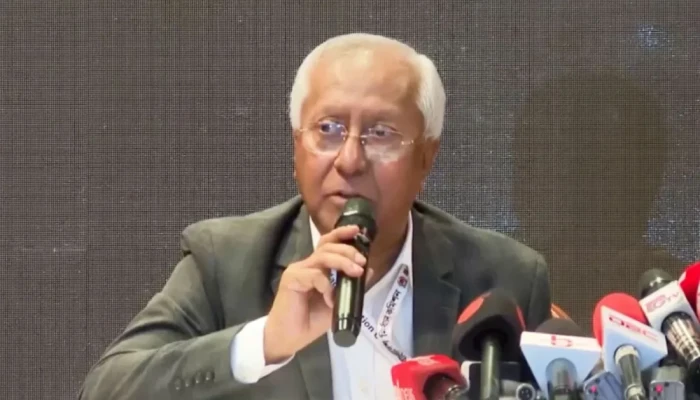
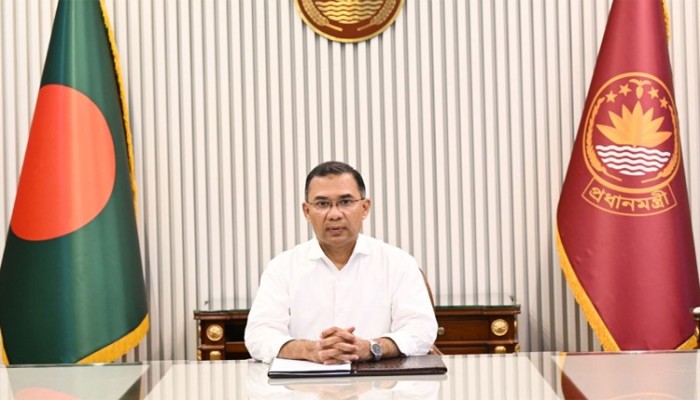
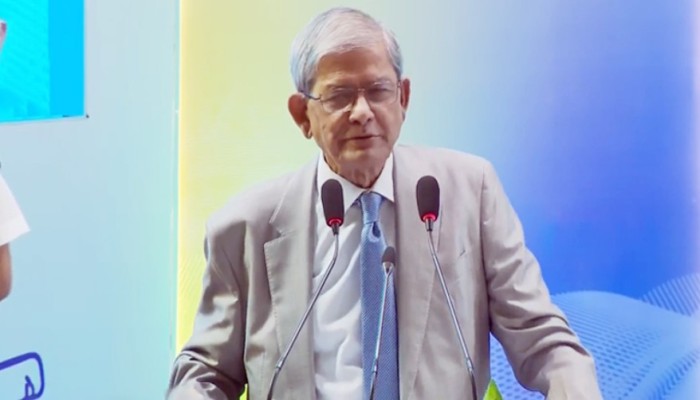
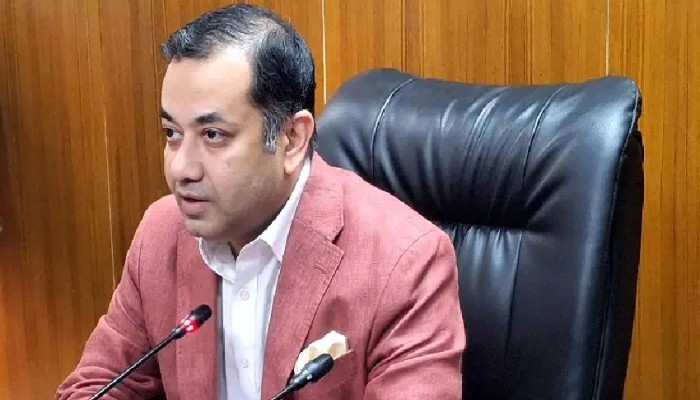
President Mirza Fakhrul Islam Alamgir
Substandard universities behind production of unemployed graduates
 Collected Image
Unregulated expansion of universities over the past 17 years, without proper scrutiny or quality assessments, has contributed to a growing number of highly educated unemployed people in Bangladesh, said President and Independent University, Bangladesh (IUB) Chancellor Mirza Fakhrul Islam Alamgir on Tuesday.
He criticised low-quality institutions for pushing promising young people towards frustration by awarding higher academic degrees without ensuring quality education. Many universities, he said, have turned into centres of business and excessive profit-making.
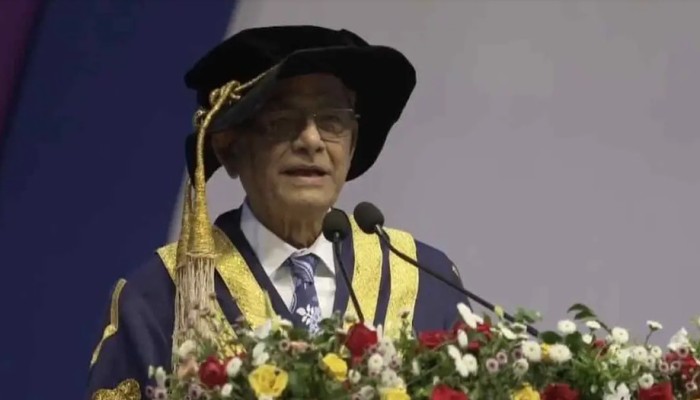
The President made the remarks while addressing the 27th convocation of Independent University, Bangladesh, at Purbachal in Dhaka.
He said the success of higher education could not be measured simply by the number of universities in a country. Rather, educational quality, updated curricula, qualified teachers, practical knowledge, skills development and decent employment opportunities were the true indicators of a university's success.
He stressed the need to move the country's education system beyond its existing limitations.
Mirza Fakhrul observed that Bangladesh's education system had long remained divided into different streams, creating significant disparities in access to education, quality and acquired skills.
He called for addressing these inequalities through better coordination among different education streams and establishing an integrated national education system.
To remain competitive globally, he said, the country must bring its educational standards up to international levels without losing its history, language, literature, culture and heritage.
UNIVERSITIES URGED TO ALIGN EDUCATION WITH JOB MARKET
The President emphasised the need to establish a stronger connection between higher education and labour market demands.
He said universities must introduce and implement updated, career-oriented and skill-based curricula while expanding opportunities for practical and technical education, real-world experience and technological skills.
Young people should be prepared not merely as job seekers but as skilled professionals, entrepreneurs and creators of employment opportunities, he added.
Highlighting the transformative impact of artificial intelligence and modern digital technologies on the workplace, Fakhrul said the knowledge and skills required for a particular job today might become entirely different within a few years.
In this changing environment, earning a degree alone would not be enough. Young people must develop a mindset of continuous learning, independent thinking, problem-solving abilities and the capacity to adapt to changing circumstances.
He also cautioned against excessive dependence on technology, saying it should not weaken human thinking, creativity and judgment.
No matter how advanced technology becomes, he said, it can never replace human conscience, honesty, compassion and moral values.
GRADUATES URGED TO SERVE SOCIETY AND UPHOLD ETHICS
Addressing the graduating students, the President said a convocation was not merely a formal ceremony for receiving academic certificates but a recognition of years of dedication, hard work and perseverance.
It was also a commitment to using acquired knowledge for the welfare of individuals, society and the country, he said.
Although formal education might end with the completion of a degree, the process of becoming a better human being never ends, he added.
Fakhrul said students who receive opportunities for higher education belong to a relatively privileged section of society, as their families and the state make significant investments in their education.
Therefore, both their families and the country have high expectations of them.
The true measure of a graduate's success, he said, lies not merely in personal achievements but in how much positive change they can bring to the lives of others.
He urged graduates to always stand for truth and justice and uphold honesty, integrity and ethical values throughout their lives.

 Collected Image